22 Jul 2026
doorOneThird
Ready-to-eat avocados have become the expectation and not a nice-to-have. What used to be a specialist ripening service, tucked away at a handful of packhouses, is now standard practice across the supply chain, from importers to distribution centres to retail. And the market backs that up. The global avocado market is projected to grow at a compound annual rate of around 6% through 2035, roughly doubling in value over the next decade, as demand keeps climbing in the US, Europe and other high-income markets.
That kind of growth puts real pressure on ripening programmes. More volume, more origins, more variability, and a lot less room for guesswork.
No two batches ripen the same
Anyone managing avocado quality knows this already: production region, maturity at harvest, time off the tree, shipping conditions, previous postharvest treatments, all of it shapes how a batch behaves once it hits the ripening room. Ripening technology has come a long way in managing that variability from the outside, through better temperature control, CO2 management, and more consistent ethylene application.
But managing conditions in the room only solves half the problem. The other half is knowing what's actually going on inside the fruit, batch by batch, before you commit to a ripening programme or a shipping decision.
Consistency is the real challenge
Uniform ripening depends on stable, well-distributed conditions, and the industry has genuinely improved here. Ethylene systems, airflow design, and cooling capacity have all matured to handle avocados' particular quirks, including the extra heat they generate once they hit their climacteric peak. Regulatory frameworks are catching up too. Ethylene is a controlled input in many markets, and getting the right approvals is part of scaling a ripening programme internationally.
All of this is progress. None of it tells you, at the moment you need to know, whether a specific batch is ready, how it will hold up, or how much longer it needs.
More supply means more at stake
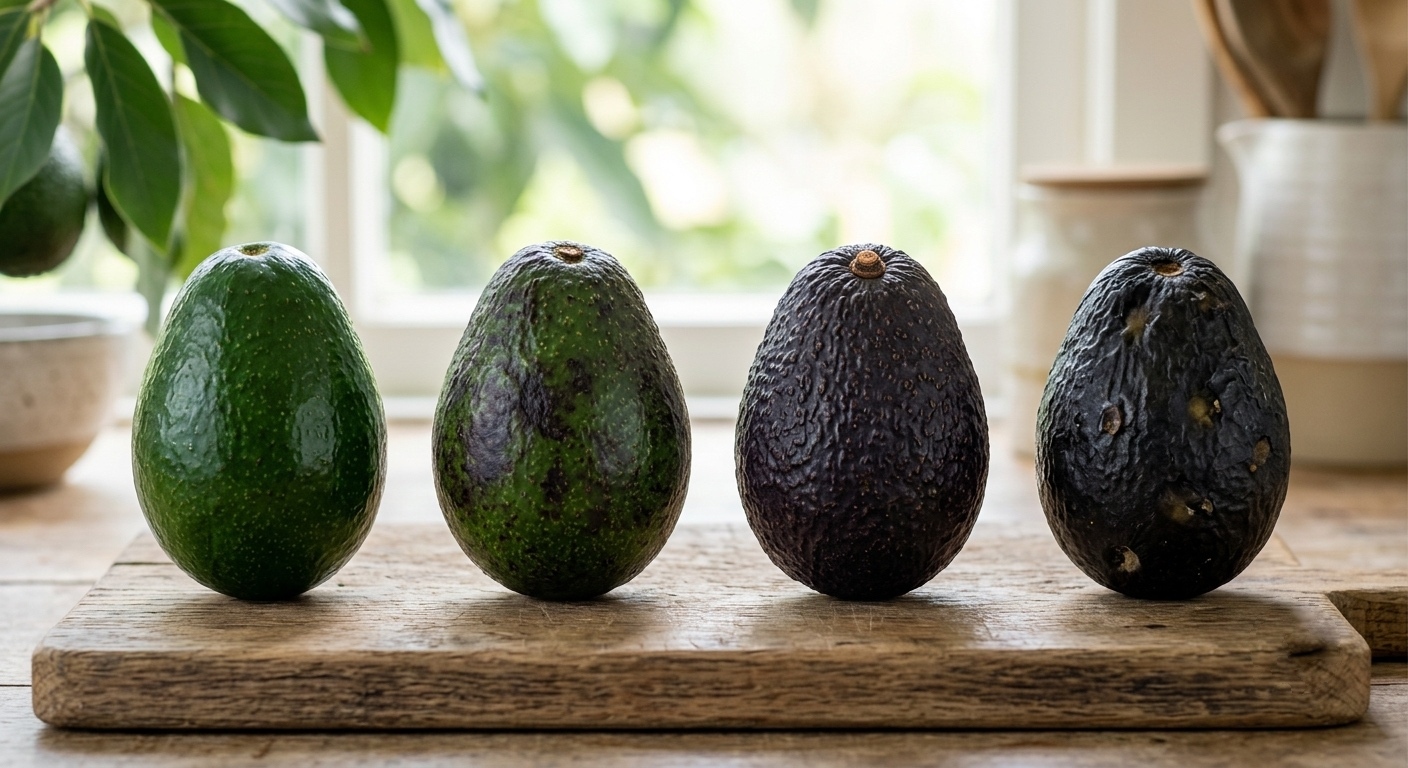
We often forget about the waste part of the avocado supply chain. As volumes grow, so does the amount of fruit that never makes it to the shelf. Avocados that never ripen properly. Batches rejected on arrival because nobody could tell what was going on inside them until it was too late. Fruit that gets cut open by QC teams just to check internal quality, and once it's cut, it's no longer sellable, whatever the result.
Some research puts the losses from destructive grading and testing alone as high as 30%, with another 5% lost at retail on top of that. That's a lot of avocados thrown away. And what for? Because the only way to check the quality was to destroy them.
More supply should mean more avocados reaching people, not more waste further down the chain.
Where digital insight comes in
That's the gap we think about a lot at OneThird. The next generation of ripening programmes will lean more on digital tools, and rightly so. But sensors and connected ripening rooms are only as useful as the quality data feeding them, and right now, a lot of that data still comes from cutting fruit open.
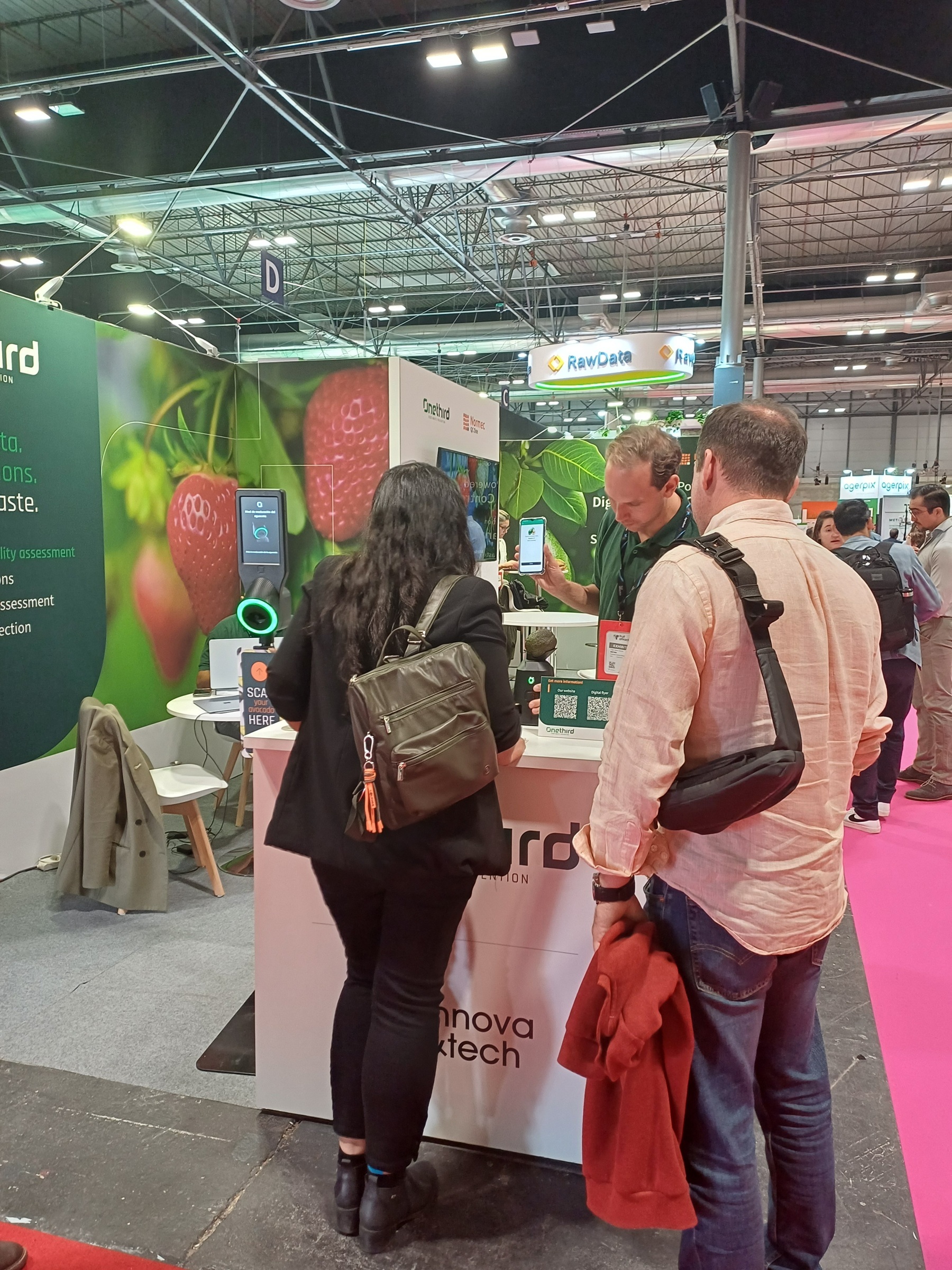
There's a simpler way to check what's happening inside an avocado. Our NIR scanner reads dry matter, stem-end rot, and ripeness in under a second, without cutting the fruit. QC teams get an objective read on a batch before deciding whether it's rejected, ripened, or shipped, and the fruit they test is still sellable afterwards.
As volumes grow, that difference adds up. Fewer avocados are thrown away just to find out what was going on inside them.
Curious what objective quality data could do for your avocado programme? Get in touch, we'd love to show you.
.jpeg)